
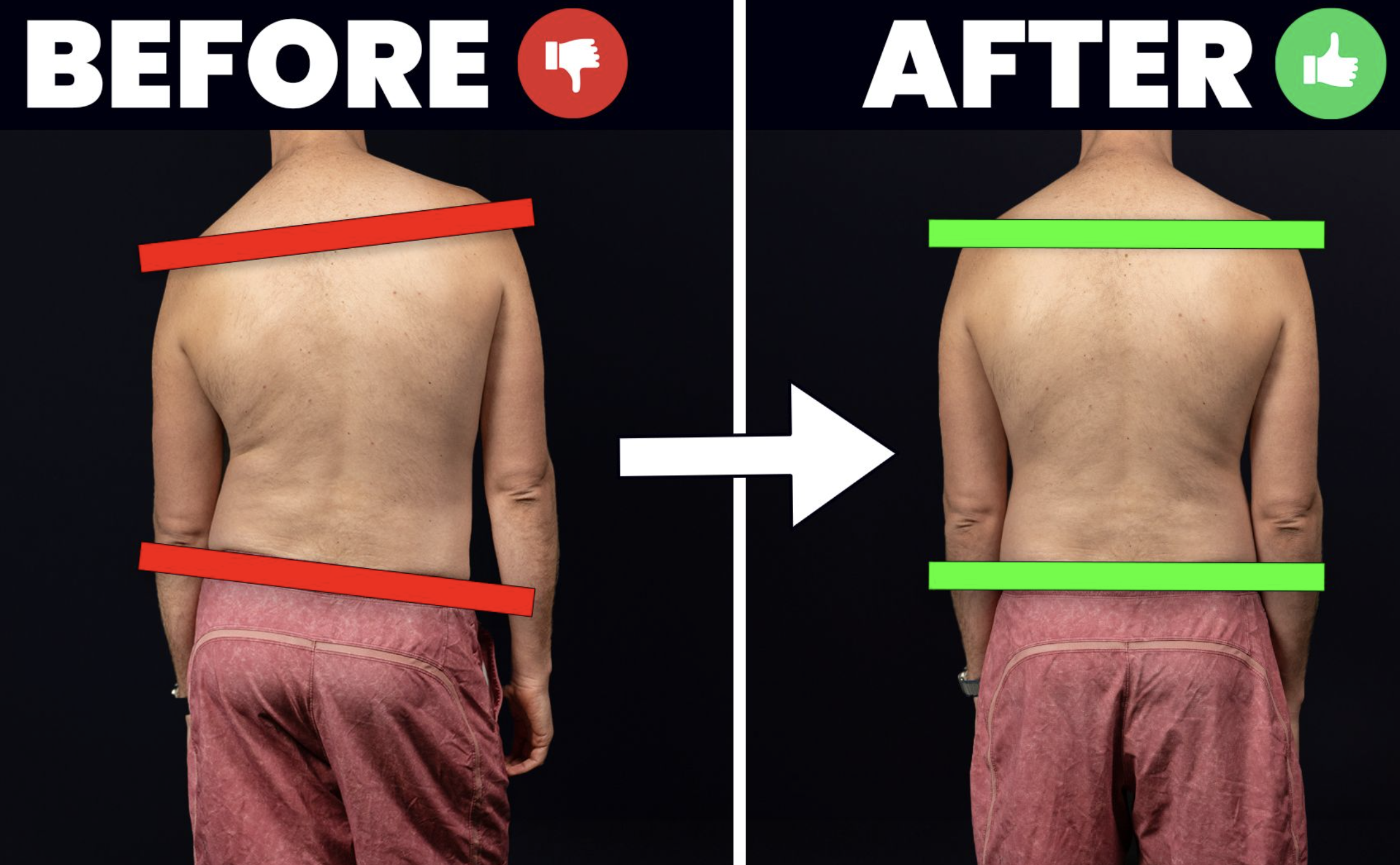
Many people live with some degree of body asymmetry without even realizing it. One shoulder may sit higher than the other, the hips may rotate unevenly, or one side of the body may feel tighter and stronger. Small asymmetries are natural, but when they become more pronounced, they can lead to discomfort, reduced mobility, and chronic pain over time.
At HPLife Coaching and Pilates, we believe that understanding body alignment is the first step toward improving overall wellness. The body functions as a connected system, and when one part is out of balance, other areas often compensate. These compensations may eventually create tension, instability, and movement dysfunction.
What Is Body Asymmetry?
Body asymmetry refers to an imbalance in posture, muscle development, movement patterns, or skeletal alignment between the right and left sides of the body. This imbalance may develop gradually due to daily habits, injuries, stress, or repetitive motions.
Common examples include:
- One shoulder higher than the other
- Uneven hips or pelvic tilt
- A rotated spine
- One leg appearing longer
- Uneven muscle tension
- Limited mobility on one side of the body
- Different walking or standing patterns
In many cases, asymmetry develops slowly and becomes the body’s “normal” position. However, over time, it may affect how the muscles, joints, and nervous system work together.
Common Causes of Body Asymmetry
There are many reasons why asymmetry may appear in the body. Some of the most common causes include:
Poor Posture
Long hours spent sitting at a desk, using a phone, or driving can gradually shift the body out of alignment. Slouching, leaning to one side, or crossing the legs regularly can create muscular imbalances.
Repetitive Movements
Sports, physical work, or repeated daily activities often strengthen one side of the body more than the other. Carrying bags on the same shoulder or always using one dominant hand may also contribute to imbalance.
Injuries
After an injury, the body naturally compensates to avoid pain. Even after healing, these compensation patterns may remain and create long-term asymmetry.
Stress and Muscle Tension
Emotional stress can cause chronic muscle tightness, especially in the neck, shoulders, and lower back. Over time, tension patterns may affect posture and alignment.
Weak Core Muscles
The core plays a critical role in stabilizing the spine and pelvis. Weak abdominal and stabilizing muscles can lead to uneven movement and poor posture.
Problems Caused by Body Asymmetry
When asymmetry is left unaddressed, it may lead to various physical problems that affect daily comfort and long-term health.
Chronic Back and Neck Pain
One of the most common consequences of asymmetry is persistent pain in the back, shoulders, or neck. When the body is not properly aligned, some muscles work harder than others, leading to strain and fatigue.
For example, uneven shoulders may place additional stress on the neck muscles, while pelvic imbalance can increase pressure on the lower back.
Joint Stress and Wear
Asymmetrical movement patterns may place uneven pressure on the joints. Over time, this can contribute to:
- Knee pain
- Hip discomfort
- Ankle instability
- Shoulder tension
- Increased joint wear
The body is designed to distribute weight evenly. When alignment is compromised, certain joints absorb more stress than they should.
Reduced Mobility and Flexibility
Tight muscles on one side of the body can limit range of motion and flexibility. This may make simple movements feel restricted or uncomfortable.
People with asymmetry often notice:
- Difficulty turning the head equally in both directions
- Limited hip mobility
- Uneven stretching sensations
- Reduced balance and coordination
Poor Balance and Stability
The body relies on symmetry and proper muscle activation for balance. When one side is stronger or tighter, stability may decrease, increasing the risk of falls or injuries.
This is especially important as people age, since balance plays a major role in maintaining independence and mobility.
Headaches and Fatigue
Postural asymmetry may also contribute to tension headaches, jaw discomfort, and overall fatigue. Constant muscular compensation forces the body to use extra energy throughout the day.
Many people feel physically exhausted without understanding that poor alignment may be one of the underlying causes.
How Pilates Can Help Correct Asymmetry
Pilates is one of the most effective methods for improving body awareness, posture, and muscular balance. Unlike traditional workouts that focus mainly on strength, Pilates emphasizes controlled movement, alignment, and core stability.
Through targeted exercises, Pilates helps:
- Strengthen weak muscles
- Release excessive tension
- Improve posture
- Restore balance between both sides of the body
- Increase flexibility and mobility
- Improve breathing and body awareness
A personalized Pilates approach allows the body to move more efficiently and naturally.
The Importance of Early Attention
Ignoring asymmetry may allow compensation patterns to become more deeply ingrained over time. Early attention can help prevent chronic pain and improve overall movement quality before more serious problems develop.
It is important to remember that every body is unique. The goal is not perfect symmetry, but better balance, healthier movement, and reduced strain on the body.
Final Thoughts
Body asymmetry is more common than many people think, but it should not be ignored when it causes discomfort, tension, or movement limitations. The body works as an interconnected system, and even small imbalances can affect overall well-being.
With proper movement training, posture correction, and mindful exercise such as Pilates, it is possible to improve alignment, reduce pain, and support long-term physical health. At HPLife Coaching and Pilates, we focus on helping clients reconnect with their bodies, move with confidence, and create better balance from the inside out.