
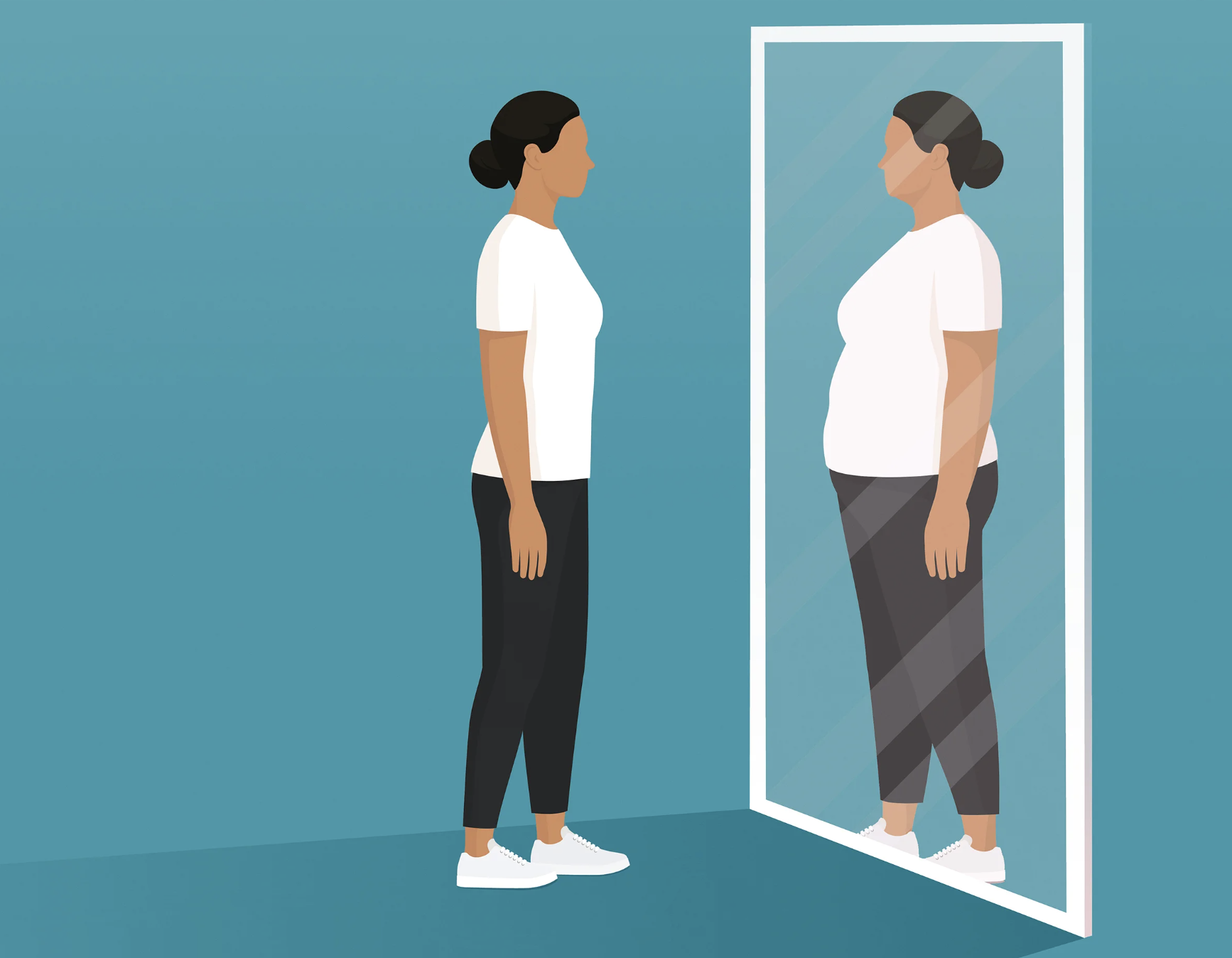
When people think about body asymmetry, they often focus only on physical causes such as poor posture, injuries, or muscle weakness. However, the connection between the mind and body is much deeper than many realize. Our emotions, stress levels, and behavioral patterns can strongly influence how the body moves, holds tension, and develops imbalance over time.
At HPLife Coaching and Pilates, we believe that emotional health and physical alignment are closely connected. The body often reflects what we experience internally, especially when stress and emotional tension become chronic.
The Body Stores Emotional Tension
The human body reacts to emotions automatically. When we experience stress, anxiety, fear, frustration, or emotional exhaustion, the nervous system activates protective responses.
These responses may include:
- Tightening the shoulders
- Clenching the jaw
- Holding the breath
- Tensing the hips or lower back
- Collapsing posture
- Leaning more heavily onto one side of the body
When emotional stress becomes long-term, these muscular patterns may also become permanent habits.
Over time, the body adapts to these positions, creating muscular imbalance and asymmetry.
How Negative Emotional Patterns Affect Posture
Our emotional state often influences the way we physically carry ourselves.
For example:
- Anxiety may cause raised shoulders and neck tension
- Low confidence may create collapsed chest posture
- Chronic stress may tighten the hips and lower back
- Emotional overwhelm may reduce body awareness and movement quality
The body continuously responds to what the mind experiences. If stress and emotional tension remain unresolved, muscles stay contracted for extended periods, leading to imbalance and compensation patterns.
Repetitive Behavioral Patterns and Asymmetry
Negative behavioral habits can also contribute to asymmetry. Many daily actions are performed unconsciously, and repeated movement patterns shape the body over time.
Common examples include:
- Sitting in the same position for hours
- Always crossing the same leg
- Carrying bags on one shoulder
- Sleeping on one side only
- Leaning to one side while standing
- Using one hand dominantly for most activities
These habits may seem small, but repeated daily over months or years, they can significantly affect posture and muscular balance.
Stress and the Nervous System
Chronic stress affects not only muscles but also the nervous system. When the body remains in a constant “fight or flight” state, muscles rarely fully relax.
This can lead to:
- Increased muscle tightness
- Reduced mobility
- Poor breathing patterns
- Fatigue
- Reduced body awareness
- Difficulty activating stabilizing muscles
The nervous system and movement system work together. If the nervous system is constantly under stress, the body often struggles to maintain healthy alignment.
Emotional Protection Patterns in the Body
Sometimes the body develops asymmetrical patterns as a form of emotional protection. After trauma, emotional pain, or stressful experiences, people may unconsciously close off certain parts of the body.
This may appear as:
- Rounded shoulders
- Forward head posture
- Tight chest muscles
- Restricted breathing
- Uneven weight distribution
- Protective tension on one side of the body
The body adapts to emotional experiences just as it adapts to physical ones.
How Pilates and Mindful Movement Help
Pilates is highly effective for improving asymmetry because it focuses not only on muscles but also on body awareness and nervous system regulation.
Mindful movement helps people reconnect with their bodies and recognize unconscious tension patterns.
Pilates may help:
- Release chronic muscular tension
- Improve posture and alignment
- Increase awareness of movement habits
- Strengthen stabilizing muscles
- Improve breathing patterns
- Calm the nervous system
- Create more balanced movement
As body awareness improves, people often begin noticing emotional and physical patterns they were previously unaware of.
The Importance of Breath and Awareness
Breathing plays a major role in both emotional regulation and posture. Many people under stress breathe shallowly into the chest, which increases tension in the neck and shoulders.
Conscious breathing can help:
- Relax overactive muscles
- Improve core activation
- Reduce stress responses
- Improve posture naturally
- Support nervous system balance
Learning to move and breathe with awareness creates a stronger connection between mind and body.
Healing Is Both Physical and Emotional
Correcting asymmetry is not only about stretching tight muscles or strengthening weak ones. True long-term improvement often requires addressing lifestyle habits, emotional stress, and unconscious behavioral patterns as well.
The body reflects how we live, move, think, and respond emotionally every day.
When people begin caring for both their emotional and physical well-being, the body often responds with improved balance, reduced pain, and healthier movement patterns.
Final Thoughts
Emotions and negative behavioral patterns can significantly influence body asymmetry over time. Chronic stress, emotional tension, and repetitive habits may create muscular imbalance, postural changes, and movement dysfunction without people even realizing it.
The good news is that the body is adaptable. Through mindful movement, Pilates, improved body awareness, and healthier emotional habits, it is possible to reduce tension and restore better balance throughout the body.
At HPLife Coaching and Pilates, we believe that true wellness comes from treating the body and mind as one connected system. When emotional health and physical movement work together, the body can move with greater freedom, strength, and balance.